Flying Private to the Mexico City Grand Prix: Why Toluca, and Why MMMX Is Not an Option
Pegasus Flight Support · Updated September 20, 2026 · 7 min read
Formula 1 Mexico City Grand Prix · Oct 30 – Nov 1, 2026 · Mexico City
Key Points
- The 2026 Mexico City Grand Prix runs October 30 to November 1, the same weekend as Day of the Dead.
- Mexico City International (MMMX) does not receive General Aviation and should not be considered for this trip.
- Toluca (MMTO) is the primary GA airport for the event: the closest practical option and the more cost-effective one.
- AIFA (NLU) is a valid second option, but MMTO stays preferred because Asertec can arrange parking elsewhere on the field if its platform fills.
- Parking at MMTO will be very limited over the event. Reserve as far in advance as possible.
- No slot or PPR is generally required at MMTO, but coordinate your arrival with the FBO well in advance.
- Ground transportation was last year's main problem. Treat it as a critical path item, not a detail to settle on arrival.
A busy weekend, twice over
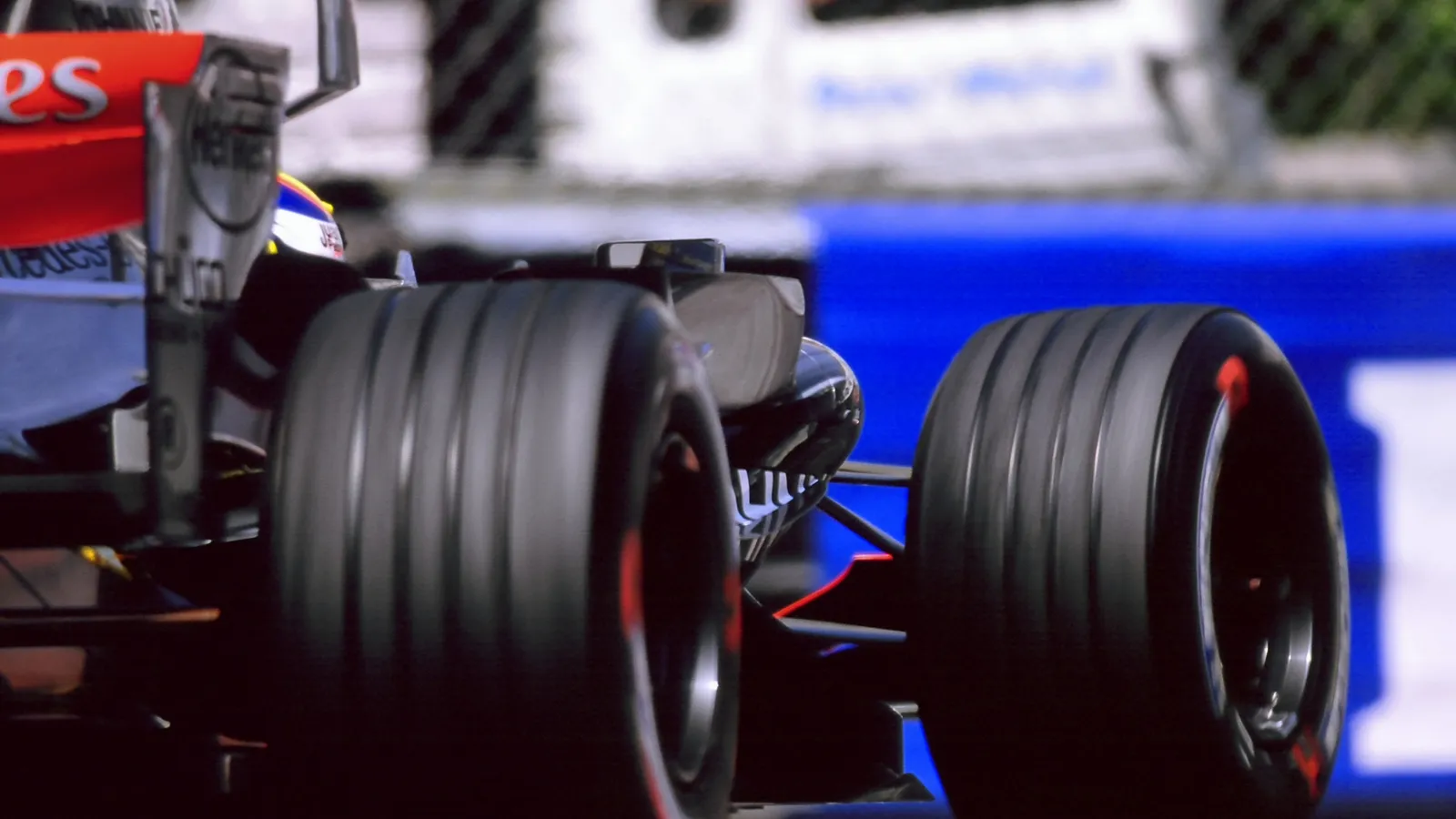
The Formula 1 Mexico City Grand Prix takes place from October 30 to November 1, 2026 at the Autódromo Hermanos Rodríguez, on the east side of the city. The race draws around 400,000 spectators over the weekend. This year it also coincides with Day of the Dead on November 1 and 2, which brings its own surge of visitors to the capital.
For operators, that means two peak events competing for the same ramp space, hotel rooms, and ground transportation. The trips that go smoothly are the ones arranged weeks ahead.
MMMX is not an option
Start here, because it settles the airport question before it becomes one. Mexico City International (MMMX) does not receive General Aviation. It is not a matter of slots being hard to get or the ramp being full during the race: the airport does not take GA traffic, so it should not appear in your planning for this trip at all.
That is worth saying plainly because MMMX is the closest airport to the circuit and the one passengers will ask about. The answer is no, and the alternative is Toluca.
Toluca is the airport for this trip
Toluca (MMTO) is the primary General Aviation airport for the event. It is the closest practical option for GA and the more cost-effective one, and it is where business aviation into Mexico City normally goes: the largest concentration of FBOs in the country, a 13,780 ft runway, and no slot coordination to negotiate.
The trade-off is distance. Toluca is west of the city and the circuit is on the east side, so passengers cross the whole of Mexico City to reach it. That is a ground transportation problem, and it is a solvable one, but only if you treat it as part of the trip rather than something the passengers sort out on the day.
AIFA as the second option
AIFA (NLU) is a valid second option and a reasonable contingency. Toluca still comes first, because if the Asertec platform fills, Asertec can arrange parking elsewhere on the field. That flexibility is what keeps MMTO ahead even though AIFA sits closer to the circuit on paper.
| Toluca (MMTO / TLC) | AIFA (NLU) | |
|---|---|---|
| Role for this event | Primary GA airport; preferred | Valid second option and contingency |
| Distance to the Autódromo | Roughly 70 km | Roughly 50 km |
| Drive time during the event | About 1.5 to 2.5 hrs | About 1.5 to 2.5 hrs |
| Helicopter to the Autódromo | About 20 to 30 min | About 20 to 25 min |
| Parking | Very limited over the event; overflow to remote positions or the former Interjet platform | Confirm with the FBO |
| Slot or PPR | Not generally required; coordinate with the FBO | Confirm before filing |
Drive times are ranges drawn from last year's conditions, not scheduled transfer times. Note that AIFA's shorter distance does not translate into a shorter transfer: road closures and traffic restrictions around the circuit govern the journey far more than the kilometres do.
Parking will be very limited
Parking at Toluca will be very limited over the event, and it is the single arrangement most likely to constrain your trip. Reserve as far in advance as you can.
If the Asertec platform reaches capacity, overflow aircraft go to remote positions or to the former Interjet platform, which is currently unused. That is a workable outcome, not a failure, but it changes turn times and crew and passenger movements on the field, so it is better known in advance than discovered on arrival.
An additional platform parking fee applies at MMTO during the event. The amount has not been confirmed, and we are not going to put a number to it here. We will pass it on as soon as it is confirmed.
No slot or PPR, but coordinate anyway
A slot or PPR is not generally required at MMTO. That does not make the arrival self-service. Given the traffic volume over the event, arrivals should be coordinated with the FBO well in advance, covering:
Getting to the Autódromo
This is the part of the trip that needs the most attention. From Toluca the Autódromo Hermanos Rodríguez is roughly 70 km, and last year that ran about 1.5 to 2.5 hours during the event. From AIFA it is roughly 50 km, and the range was the same: about 1.5 to 2.5 hours. The shorter distance does not mean a shorter transfer, because closures and restrictions around the circuit are what set the pace.
Treat those as ranges based on last year's conditions rather than as figures you can schedule against. Build margin into race-day movements in both directions.
Helicopter is a realistic alternative
A helicopter transfer is a genuine option for this event, not a luxury flourish. From Toluca to the Autódromo is about 20 to 30 minutes, and from AIFA about 20 to 25 minutes. Against a two-hour-plus drive, that changes what is achievable on race day.
Capacity will be highly limited, so it has to be booked well ahead. The Autódromo also charges for each helicopter drop-off or pick-up slot. The indication is approximately USD 3,000 plus VAT per movement, but that is an estimate to be reconfirmed closer to the event, not a quoted rate, and it should not be passed to a client as a price.
Where crews and passengers stay
Hotels near MMMX sit roughly 1 to 3 km from that airport and are the closest to the circuit, but they will book out. The alternatives worth looking at are Roma Norte, Condesa, Reforma, Polanco, and the Historic Center.
For crews operating through Toluca, staying in the Toluca area is often the most practical choice while the aircraft is parked at MMTO. It keeps the crew with the aircraft and avoids putting them into the same race-weekend traffic as the passengers.
What went wrong last year
Ground transportation was the main problem at last year's event. Parking around the circuit was extremely limited. Operators and passengers ended up using alternative parking elsewhere in the city, and in some cases walked several blocks to reach the venue.
The lesson is direct: ground transport is a critical path item for this trip. Arrange it well in advance, confirm where vehicles can actually drop and collect, and brief passengers that the last stretch may be on foot.
Performance at altitude
Toluca is at 8,466 ft, one of the highest commercial airports in the world, and every field serving Mexico City is high. The 13,780 ft runway helps, but density altitude still reduces climb performance and can limit takeoff weight. Run the numbers for your departure with the expected passenger and fuel load, and consider whether a fuel stop makes more sense than a heavy departure.
Charter operators: check your permit first
A Part 135 operator needs a valid AFAC Blanket Permit, with the specific aircraft listed on it, to fly this trip. AFAC no longer issues single-entry charter permits, and a new or modified Blanket Permit can take up to 90 business days. If you do not already hold one, or the aircraft you plan to use is not on it, this is the first thing to resolve before quoting the trip.
What to arrange now
How Pegasus helps
Pegasus Flight Support coordinates parking, ground handling, fuel, customs and immigration, crew transportation, and helicopter arrangements at Toluca for race weekend. Tell us your aircraft, passenger count, and where your passengers are staying, and we will confirm parking, coordinate the arrival with the FBO, and arrange the ground side, including the transfers to and from the Autódromo.
- MMTO Toluca airport guide
- MMMX Mexico City airport guide
- Flying privately? Read the Part 91 checklist
- NFL Mexico City Game, November 22
- Request a quote
FAQ
Which airport do private jets use for the Mexico City Grand Prix?
Toluca (MMTO). It is the primary General Aviation airport for the event, the closest practical option, and the more cost-effective one. Mexico City International (MMMX) does not receive General Aviation. AIFA (NLU) is a valid second option, but Toluca stays preferred because Asertec can arrange parking elsewhere on the field if its platform fills.
Can a private jet land at Mexico City International (MMMX) for the Grand Prix?
No. MMMX does not receive General Aviation, so it should not be considered for GA operations to this event. Plan on Toluca (MMTO), with AIFA (NLU) as a contingency.
How long does it take to get from Toluca to the Autódromo Hermanos Rodríguez?
Roughly 70 km, which ran about 1.5 to 2.5 hours during last year's event. From AIFA it is roughly 50 km with the same 1.5 to 2.5 hour range, because closures and restrictions around the circuit matter more than the distance. A helicopter transfer is about 20 to 30 minutes from Toluca and about 20 to 25 minutes from AIFA, but capacity is highly limited.
Do I need a slot or PPR at Toluca for the Grand Prix?
A slot or PPR is not generally required at MMTO. Given the traffic volume over the event, arrivals should still be coordinated with the FBO well in advance for parking, arrival sequencing, ground handling, crew transport, and repositioning.
Last reviewed September 2026. Mexican aviation regulations change frequently. Confirm current requirements with Pegasus before every trip.